
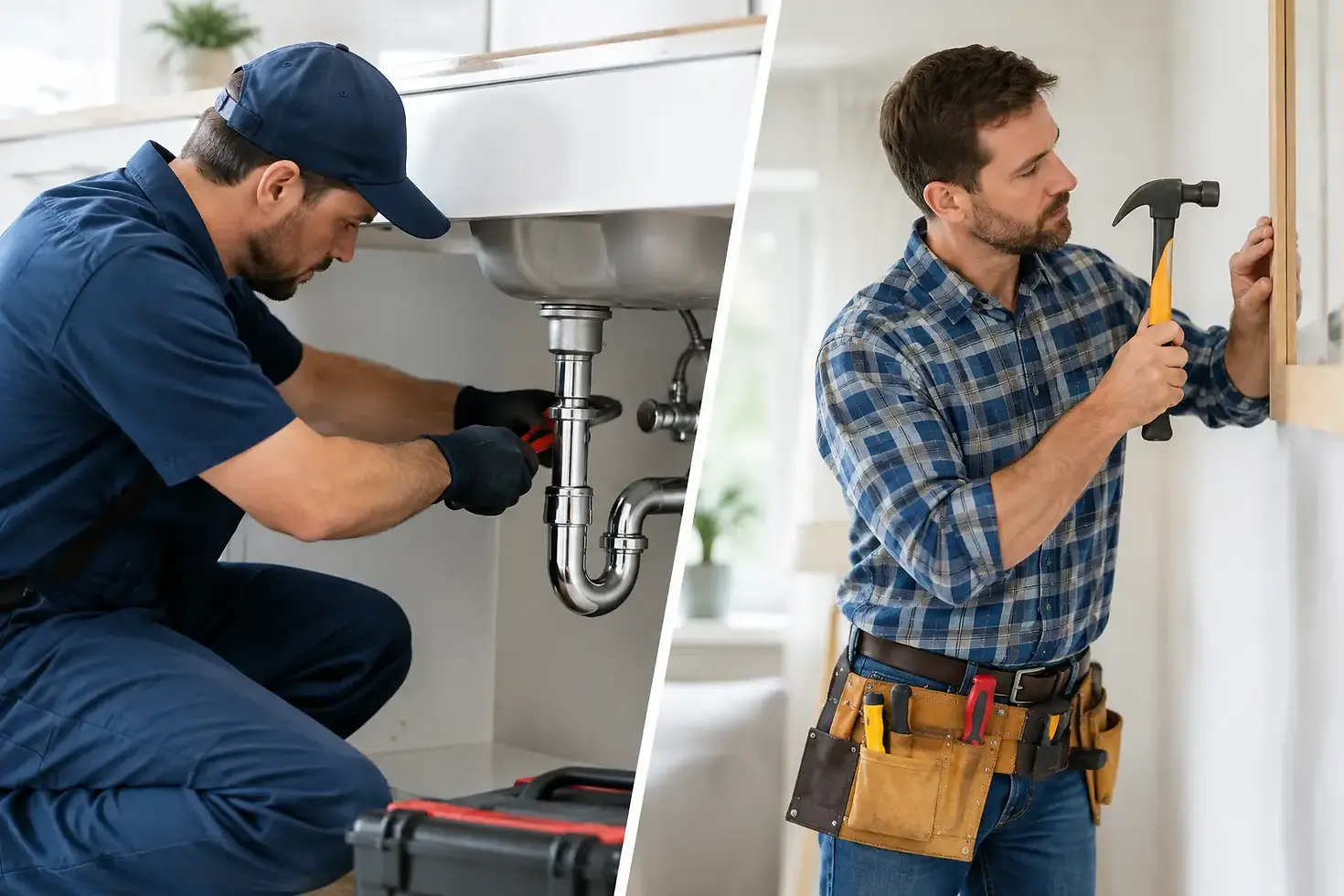
Plumber Versus Handyman Repairs - Who to Call
A dripping faucet may look like a simple fix. A slow drain may seem like a quick afternoon project. But plumber versus handyman repairs become a very different decision when the issue involves water pressure, concealed piping, a sewer line, gas connection, or the possibility of water damage behind a wall. The right call can protect your property, your budget, and your peace of mind.
For homeowners and property managers in South Florida, plumbing problems also carry local complications. Older cast-iron sanitary lines, high water use in multi-unit buildings, hard-to-find fixture parts, and sudden heavy rain can turn a minor concern into a disruptive repair. Knowing where a handyman's work appropriately ends and a licensed plumber's work begins helps avoid costly surprises.
Plumber Versus Handyman Repairs: The Basic Difference
A handyman is often a good resource for general maintenance and small repairs around a property. They may repair drywall, replace cabinet hardware, hang doors, install shelving, caulk a tub surround, or handle other tasks that do not alter a plumbing system.
A plumber is trained to diagnose, repair, install, and test plumbing systems. That includes water supply piping, drain and sewer lines, water heaters, toilets, valves, fixtures, cleanouts, gas piping where licensed, and plumbing connections that must operate safely under pressure or carry wastewater away from the building.
The distinction is not simply about who can physically replace a part. It is about whether the work requires correct diagnosis, proper materials, code knowledge, permits, safe connections, and testing. A new faucet may be straightforward in one home but complicated in another if shutoff valves are corroded, supply lines are failing, or the fixture requires specialty parts.
When a Handyman Can Be a Practical Choice
A capable handyman can be a reasonable choice for cosmetic work around a plumbing fixture or a small, clearly defined task that does not change the plumbing itself. For example, replacing worn caulk around a sink, securing a loose cabinet panel beneath a vanity, repairing water-damaged trim after the plumbing leak has been fixed, or installing a towel bar are typical handyman jobs.
Some handymen may also offer minor fixture-related services, such as replacing a showerhead or installing a basic toilet seat. These jobs are generally low-risk when there is no leak, no pipe modification, and no issue with the shutoff or drain connection.
The trade-off is that a handyman may not be equipped to find the underlying cause when the job stops being simple. A toilet that rocks, for instance, may need more than tightening bolts. The flange may be damaged, the floor may have moisture deterioration, or the drain connection may need repair. If the work begins to involve piping, drainage, pressure, or a concealed leak, bringing in a plumber is the safer next step.
Repairs That Should Go Directly to a Plumber
Plumbing systems are interconnected. What appears to be a fixture problem can originate much farther down the line. Calling a plumber first is the right choice when a repair involves active leaking, poor drainage, wastewater, a water heater, or a pipe inside a wall, slab, ceiling, or yard.
Leaks You Cannot Fully See
A cabinet leak may be obvious. A stain on the ceiling, a soft wall, warm flooring, moldy odor, unexplained increase in the water bill, or water meter that runs when fixtures are off is not. These signs can point to a hidden supply or drain leak.
A plumber can isolate the source, assess the condition of the pipe, and make the repair without relying on guesswork. Cutting into drywall before identifying the leak can create unnecessary damage and still fail to solve the problem.
Clogged Drains and Sewer Backups
A plunger can handle a minor toilet blockage, and a homeowner may clear hair near the top of a bathroom drain. Repeated clogs, several slow drains at once, gurgling toilets, water coming up in a tub, or wastewater near a cleanout call for professional diagnosis.
These symptoms may indicate a blockage in the main sanitary line, roots in the pipe, grease buildup, damaged cast iron, or a belly in the line. A plumber has the equipment to use a power snake, sewer jetting, or a camera line inspection based on what the system needs. The wrong tool can damage older piping or push a blockage farther into the line.
Water Heater Problems
Water heaters combine water, electricity or gas, pressure, and temperature. No hot water, rust-colored water, leaking around the tank, popping sounds, pressure relief valve discharge, or a gas odor should be handled by a qualified plumbing professional.
Repairing or replacing a water heater may also involve code requirements, permits, proper venting for gas units, shutoff valves, expansion considerations, and final testing. A low initial price is not a savings if the installation creates a safety concern or fails inspection.
Pipe, Valve, and Fixture Connections
Call a plumber for burst pipes, failing shutoff valves, toilet flange repairs, faucet leaks that continue after a cartridge replacement, low water pressure, repiping needs, and any job requiring a new water or drain connection. The same applies to garbage disposals, dishwashers, and ice makers when their installation requires changes to supply lines, drains, or valves.
A plumber can also source specialty parts for older fixtures. That matters in many South Florida homes and commercial properties where a seemingly ordinary replacement is no longer standard size or where existing valves and connections have aged beyond a simple repair.
Why Licensing and Diagnosis Matter
The most expensive plumbing repair is often the one performed twice, especially after a small leak damages cabinets, flooring, drywall, or a neighboring unit. Licensed plumbing work is not just about completing the visible task. It includes evaluating what caused the failure and testing the repair before the technician leaves.
Consider a drain that keeps backing up. Replacing a visible section of pipe may seem to stop the immediate problem, but the actual cause could be scale buildup or deterioration deeper in an old cast-iron line. A camera inspection can show the condition inside the pipe and help determine whether cleaning, repair, or replacement makes sense.
There is also a property-management consideration. Commercial buildings, condominiums, rental homes, and multi-unit properties can face additional liability when water crosses unit lines or work affects common systems. Documented professional diagnosis and repair can make communication with owners, tenants, associations, and insurers much clearer.
Questions to Ask Before You Hire Anyone
Before approving the work, describe the symptoms rather than only requesting a specific repair. Mention when the issue began, whether it is getting worse, which fixtures are affected, and whether you have seen water, odors, or changes in pressure. Good information helps a professional arrive prepared.
Then ask whether the work involves plumbing connections, code requirements, or permits. Ask how the source of the problem will be confirmed and whether the repair will be tested. For drain and sewer concerns, ask whether a camera line inspection is appropriate before making a major repair decision.
Price matters, but compare the scope of work as carefully as the number. One estimate may cover a temporary visible repair, while another includes diagnosis, proper replacement materials, testing, and cleanup. Those are not equivalent services.
A Simple Rule for Urgent Plumbing Problems
If water is actively leaking, wastewater is backing up, a water heater is failing, a gas odor is present, or you need to shut off water to protect the property, skip the handyman search and call a plumber. Turn off the nearest fixture valve if it works. If it does not, use the building's main water shutoff and avoid using affected drains or fixtures until help arrives.
For a gas odor, leave the area, avoid switches, flames, and electrical devices, and contact the gas utility or emergency services as appropriate before scheduling repair work.
South Shore Plumbing has served Palm Beach, Broward, and North Miami-Dade Counties since 1986 with trained technicians, stocked service vehicles, and 24/7 emergency response. Whether the repair is a worn fixture part or a main-line problem, the goal is clear communication and work done right the first time.
When you are deciding who to call, trust the risk more than the size of the visible problem. Cosmetic work can wait for a handyman. Water, drainage, pressure, and gas issues deserve a plumber who can diagnose the full system and leave your property safe, functional, and ready for normal life again. Call South Shore, To Be Sure.


Comments